

Discover the latest industry news and audio post production.
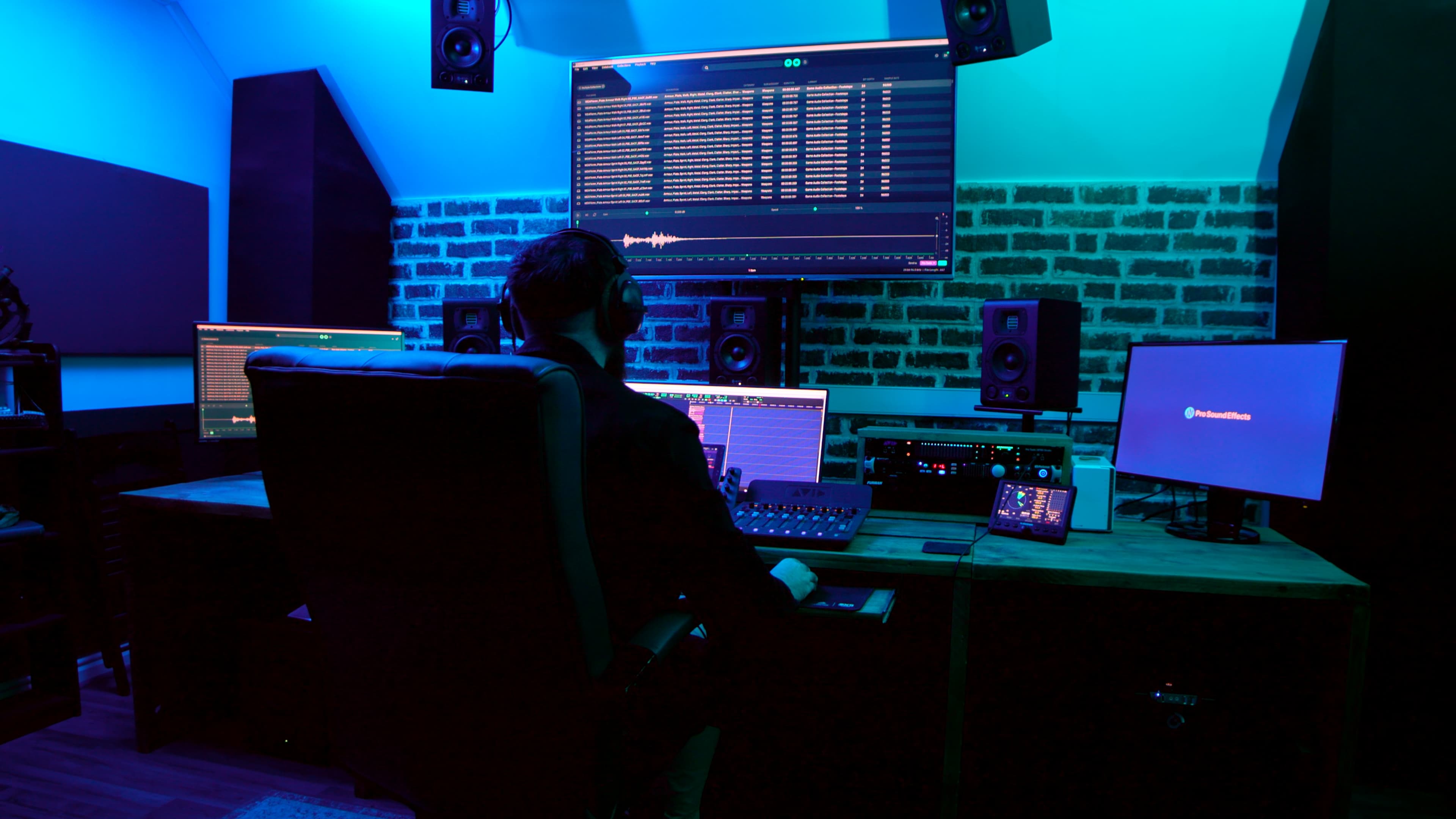
A practical guide to creating game audio assets, covering audio style, asset lists, recording, sound design, exporting, organisation, and in-engine testing for interactive projects.

May 26, 2026
Game audio is what makes a world feel alive.
When a player fires a weapon, walks through a forest, or interacts with an object, sound is what confirms the action, reinforces feedback, and builds immersion. Without well-designed audio, even visually impressive games can feel flat or disconnected.
Game audio assets are not just background additions. They are practical and emotional tools that help shape the player’s experience. They communicate information, support gameplay, and make actions feel responsive. A menu click, a footstep, a reload, or a distant environmental sound all help tell the player what is happening and how the world behaves.
This matters because games are interactive. Unlike film or television, audio in games has to respond to player choices, movement, timing, and repetition. Sounds are triggered again and again, often under different conditions, so they need to be clear, consistent, and flexible enough to work in context.
If you are building a game or working in interactive media, understanding how to create game audio assets properly will help you deliver a more polished and engaging product. It will also help you make better decisions about what should be recorded, what can be sourced, what needs variation, and what must be tested in-game before it is truly finished.
Game audio assets are individual sound elements designed for use within a game or interactive environment. These include everything from footsteps and UI clicks to weapon sounds, environmental ambiences, and character vocalisations.
Unlike film or linear media, game audio is interactive. Sounds are not placed on a fixed timeline. They are triggered by player input, system events, and in-game logic. This means a single sound may play hundreds of times under slightly different conditions. Because of this, assets must be built to handle repetition, variation, and real-time playback without losing clarity or impact.
Common types of game audio assets include:
Each category serves a different purpose. Some sounds provide direct feedback, such as a button click or weapon fire. Others support immersion, like distant ambience or subtle environmental movement. Together, they form a system that helps the player understand the game world without needing constant visual cues.
Because these assets operate within a system, they need to be consistent and predictable. Levels should be balanced so no sound feels out of place. Variations should be introduced where repetition is likely, such as footsteps or gunfire, to prevent fatigue. File naming and organisation must also be clear so assets can be implemented efficiently.
In practice, creating game audio assets is not just about making individual sounds. It is about designing a collection of elements that work together reliably across different gameplay scenarios.

Game audio directly affects how a player experiences the game.
Well-designed audio improves clarity, immersion, and responsiveness. Poor audio creates confusion, weakens feedback, and can make even strong gameplay feel unpolished.
Sound often carries information that visuals alone cannot deliver quickly enough. A player may not always be looking at the exact point of action, so audio confirms what has happened and what needs attention.
Game audio assets help to:
Responsiveness is critical. When a player performs an action, the sound must feel immediate and appropriate. Even slight delays or mismatches can break immersion.
Consistency also matters. Sounds should behave predictably, while still offering variation where repetition occurs.
Before creating any sounds, you need a clear understanding of the game world.
Ask simple but important questions:
Defining the audio direction early ensures consistency across all assets. Without this, sounds can feel mismatched or disconnected from the visuals and gameplay.
For example:
This stage often involves working closely with the game designer or creative director to align sound with the visual and gameplay direction. It can also help to create a small set of reference sounds early on, so every new asset follows the same tone and standard.
Once the style is defined, the next step is to create a detailed asset list.
This is one of the most important steps in the process because it prevents missing sounds later in development and keeps production organised from the start.
Break the list into clear categories such as:
Each category should include variations where needed. For example, footsteps may require multiple surface types such as wood, metal, grass, and concrete.
It is also useful to prioritise core gameplay sounds first. These are the sounds the player hears most often, such as movement, interactions, and primary actions. Getting these right early helps define the overall feel of the game before moving on to secondary or background elements.
As the project develops, this list can evolve. New sounds may be added as gameplay changes, so keeping the list updated ensures nothing is overlooked.
A clear and structured asset list keeps the workflow efficient and helps maintain consistency across the entire game.
Once the asset list is complete, you can begin gathering raw audio.
There are two main approaches:
Recording your own sounds gives you full control and originality. This can involve:
Original recording is often used when a project requires unique or highly specific sounds that cannot be sourced easily. It also allows you to match the exact tone and perspective of your game world.
In many cases, it is more efficient to use existing sound libraries.
There are many platforms where you can buy game audio assets, including curated sound effects libraries and marketplaces. These can provide high-quality recordings that are ready to use or adapt.
When choosing libraries, focus on:
It is also important to choose sounds that leave room for processing. Heavily processed or overly stylised recordings can be harder to shape or combine with other elements.
Most workflows combine both approaches. Libraries provide speed and coverage, while original recording adds uniqueness and helps key sounds stand out.

Raw recordings are rarely ready for use without processing.
Audio editing ensures that each sound is clean, clear, and consistent before it is used in the game.
This stage typically includes:
It is also important to match sounds within the same category. For example, all footsteps or weapon sounds should feel like they belong together in terms of volume, tone, and timing. Inconsistent assets can stand out quickly once implemented.
Clean audio is essential, especially in games where sounds may be triggered repeatedly. Even small imperfections such as noise, uneven levels, or poor timing can become noticeable over time and reduce the overall quality of the experience.
This is where raw audio becomes a finished game asset.
Sound design involves shaping and combining elements to create something that fits the game world. It is not just about making sounds louder or more complex, but about making them feel appropriate, responsive, and consistent within gameplay.
A single sound is often built from multiple layers, for example:
Each layer serves a specific purpose. When combined correctly, they create a sound that feels more complete and believable.
Layering also allows you to control how a sound behaves in different situations. For example, subtle adjustments to the low end or texture can make a sound feel heavier, lighter, closer, or more distant.
Variation is equally important. In games, sounds are triggered repeatedly, so using slight differences in pitch, timing, or layering helps prevent repetition from becoming noticeable. This is especially important for sounds like footsteps, gunfire, and UI interactions.
Sound design is also where creativity plays a major role. Many iconic game sounds are not direct recordings but carefully crafted combinations of different sources.
Studios that specialise in sound design often use a wide range of techniques, including synthesis, experimental recording methods, and unconventional sound sources, to create original assets that stand out while still fitting the game world.
Game audio must be delivered in formats that work reliably within game engines such as Unreal Engine and Unity.
This usually involves exporting assets as:
You also need to consider:
It is important to balance quality and performance. High-quality files sound better, but large file sizes can impact memory and loading times, especially in larger projects.
Game engines and middleware rely on predictable file structures, so consistency at this stage ensures smoother implementation and fewer issues during development.
Organisation is essential for efficient workflows.
Each asset should be clearly named and structured so it can be found quickly during implementation. As projects grow, poor organisation can slow down development and make updates more difficult.
Best practices include:
The Universal Category System (UCS) is a free, industry-standard naming and metadata schema for sound effects libraries. Adopting UCS conventions keeps assets discoverable across projects and tools, and makes collaboration smoother when teams share libraries. Well-tagged libraries such as those at 344 SFX follow UCS metadata conventions, so assets drop into your project ready to search and integrate.
It is also important to think about how others will use the files. In team environments, clear organisation helps developers, designers, and audio teams work more efficiently without confusion.
Well-organised assets reduce errors, speed up integration, and make it easier to replace or update sounds as the project evolves.

Game audio does not exist in isolation. It must work within the game environment.
Implementation involves placing sounds into the game engine and connecting them to gameplay events so they trigger at the right time and under the right conditions.
Testing is critical at this stage.
You need to check:
It is also important to test under different conditions, such as fast-paced gameplay, quiet moments, and repeated actions. Sounds that feel correct in isolation can behave differently once combined with other elements.
Adjustments are often required once sounds are heard in context. This stage usually involves multiple passes, refining timing, levels, and variation until everything feels consistent and responsive.
If you are not creating all assets from scratch, there are many places to source high-quality game audio. Most developers combine custom work with library content to save time while maintaining quality.
Common sources include:
Each option serves a different purpose. Curated libraries tend to offer consistent quality and organisation. Marketplaces can provide niche or unique sounds, but may require more careful selection. Specialist platforms often sit in between, offering structured collections tailored for production use.
When choosing where to buy game audio assets, focus on:
It is also worth considering how the sounds will behave in-game. Some libraries are designed for quick use, while others are better suited as raw material for further editing and layering.
Well-produced libraries can significantly reduce production time. They provide a reliable starting point, allowing you to focus on shaping and integrating sounds rather than building everything from scratch.
Not every project requires building everything in-house.
In many cases, developers combine existing libraries with custom sound design. Smaller projects often rely more on pre-made assets to move quickly, while larger productions tend to invest in bespoke audio to achieve a more distinctive and consistent result.
The decision usually comes down to scope, timeline, and the level of quality required.
You may want to outsource when:
Outsourcing is not just about saving time. It also ensures that the audio is designed with both creativity and technical implementation in mind. Experienced teams understand how sounds will behave in-game, including repetition, variation, and system integration.
Studios such as 344 Audio specialise in game audio asset creation, covering sound design, recording, editing, and full audio production.
Working with an experienced team helps ensure that assets are not only high quality but also structured, consistent, and ready to integrate smoothly into gameplay systems.
Like this collaboration we did with Pro Sound Effects on their Game Audio Collection: Footsteps library:
Common issues include:
Avoiding these ensures a cleaner, more professional result.
Game audio assets are central to how players experience a game.
They support clarity, immersion, and emotional engagement. More importantly, they create a responsive system that helps players understand and interact with the world.
Whether you build assets yourself or source them, the goal is the same. The soundscape should feel consistent, believable, and aligned with the game.
For projects that require a higher level of quality and consistency, working with experienced teams such as 344 Audio can help ensure your audio meets professional standards.
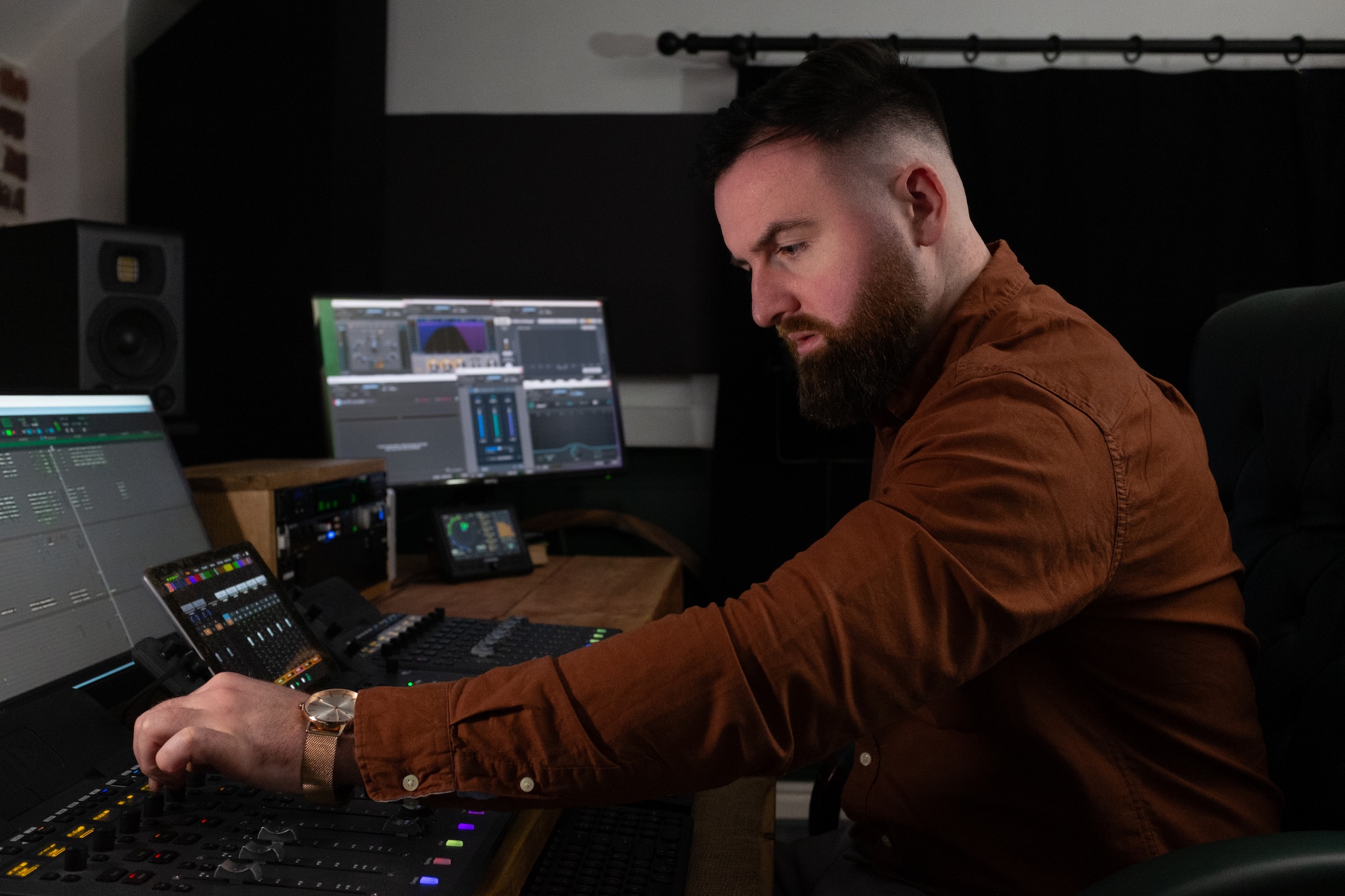
In this article, we break down what “best” really means in real-world post production. From creative judgement to technical reliability, we explore a range of respected audio post production companies worldwide, working across film, TV, advertising, and games.

January 2, 2026
Audio post production is where a project’s sound is shaped, refined, and finalised after picture lock. It’s the stage where dialogue is cleaned, performances are supported, worlds are built, and technical delivery requirements are met.
When people search for the best audio post production company, they’re rarely looking for the biggest studio or the most famous name. More often, they’re trying to answer a practical question: Who can handle this project properly?
In real-world production, “best” usually means reliable. It means clear communication, strong creative judgement, clean delivery, and a workflow that fits the project. It means working with people who understand story, performance, and pacing, not just software or specifications.
Today, audio post production isn’t limited to a single city or studio lot. Remote collaboration, shared review systems, and standardised delivery formats allow sound teams to work across borders without compromising quality. As a result, many respected audio post production companies now support projects internationally while remaining rooted in specific creative communities.
This article looks at a range of audio post production companies operating at a professional level across film, television, advertising, and games. Rather than ranking them by reputation alone, it focuses on how these companies actually work, and why they’re trusted within the industry.
There’s no single formula for a great audio post production company, but there are a few qualities that consistently matter in professional work.
At a basic level, an audio post production company needs to deliver clean, compliant sound. That includes dialogue editing, sound design, Foley recording, ADR coordination and re-recording mixing.
Professional teams are comfortable delivering in stereo, 5.1, 7.1, and immersive formats such as Dolby Atmos. They also understand loudness standards and platform requirements, whether that’s broadcast standards like EBU R128, US delivery requirements such as ATSC A/85, film festival and theatrical requirements, or platform-specific streaming guidelines.
Technical accuracy isn’t glamorous, but it’s essential. When it’s handled properly, nobody notices. When it isn’t, everyone does.
Good sound work supports the story without drawing attention to itself. That requires taste, restraint, and an understanding of how sound interacts with picture and performance.
Audio post is also collaborative by nature. Editors and mixers need to work closely with directors, producers, picture editors, and post supervisors. Clear communication, sensible revision processes, and the ability to respond thoughtfully to feedback all play a role in a smooth delivery.
Not all audio post work looks the same. Film and episodic television often require detailed dialogue work and careful narrative continuity. Advertising moves faster and demands clarity and compliance. Game audio introduces interactive and non-linear challenges.
Companies that understand these differences tend to adapt more easily to the needs of each project, rather than forcing every job into the same workflow.
Modern audio post production often blends studio-based work with remote collaboration. Secure file transfer, calibrated listening environments, and organised version control make it possible for teams to work across time zones without confusion.
The ability to scale up or down while maintaining consistency is increasingly important, especially for productions with changing schedules.
For directors and producers, evaluating sound isn’t always about technical terminology. It’s about how a scene feels once everything is in place.
Clear dialogue is usually the first test. If performances feel effortless to follow, the audience stays engaged. When dialogue feels strained, buried, or inconsistent, it pulls attention away from the story immediately.
Beyond clarity, there’s emotional balance. Sound can subtly guide how a moment lands without drawing attention to itself. A well-designed environment supports pacing, tension, and atmosphere without ever announcing its presence.
Producers also tend to notice workflow reliability. Missed deliveries, unclear revisions, or technical issues late in post can create unnecessary pressure. Studios that manage these details quietly tend to become long-term partners, regardless of size.
When people ask who the best audio post production company is, they’re usually trying to solve a very specific problem, not find a single universal answer.
Different projects need different things. A large feature film has very different requirements to a short-form commercial or a game trailer. The studio that’s right for one may not be the best fit for another.
In practice, the “best” audio post production company is the one that can realise the director’s vision on-time and on-budget.
The way audio post production is delivered has shifted over the past decade. Streaming platforms, international co-productions, and tighter schedules have changed expectations.
Remote workflows are now a normal part of audio post production. Sound teams regularly collaborate across countries through shared review sessions, organised delivery systems, and clear communication between departments.
There’s also increased demand for multiple deliverables. A single project may require stereo, surround, and immersive mixes, all within the same timeline. This places more emphasis on planning and quality control.
Sound design is also being considered earlier in the process. Involving audio teams during pre-production can reduce revisions later and lead to stronger creative outcomes.
Audio post production follows a fairly consistent structure, even though every project is different.
Dialogue editing is usually the starting point. Production audio is cleaned, organised, and prepared for the mix. Noise reduction, consistency work, and ADR planning often happen here.
Sound design builds the world around the picture. This can include environments, transitions, textures, and moments that support emotion and pacing.
Foley may be added to enhance realism and detail, especially for movement and interaction.
Re-recording mixing brings everything together. Dialogue, effects, and music are balanced with an ear toward both storytelling and technical compliance. This stage often includes multiple review passes.
Finally, deliverables are prepared. This includes stems, M&E tracks, platform-specific versions, and archive materials. Well-managed workflows at this stage prevent last-minute issues.
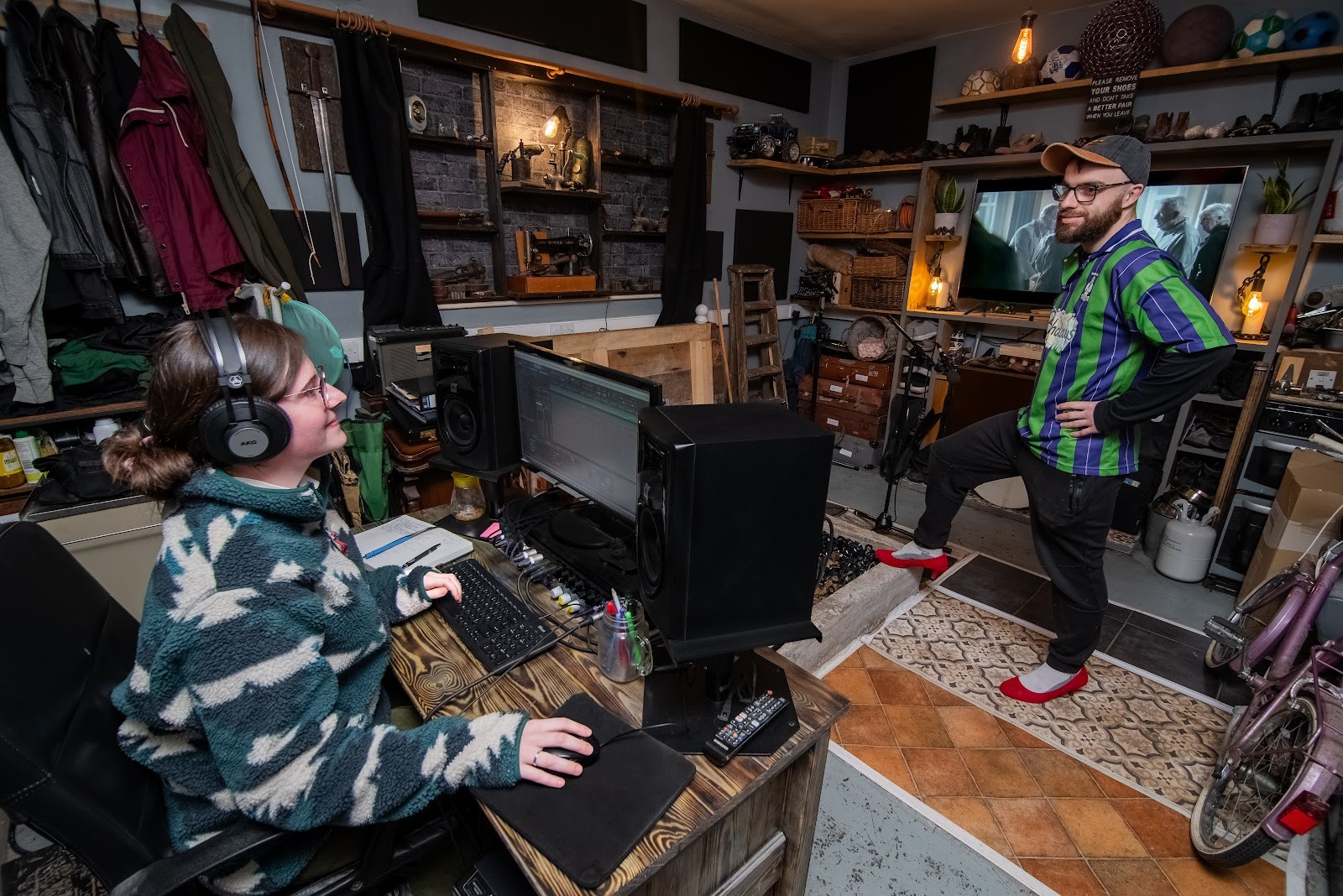
Every production faces challenges in audio post. What separates experienced teams from inexperienced ones is how those challenges are handled.
One common issue is inconsistent production audio. Location recordings can vary dramatically from scene to scene. Skilled dialogue editors know when to repair, when to replace, and when to leave performances untouched.
Another challenge is revision management. Multiple stakeholders often give feedback at different stages. Without a clear system, revisions can spiral quickly. Professional teams track changes carefully, confirm decisions, and avoid undoing previous work unnecessarily.
Tight deadlines are also common, especially in advertising and streaming delivery. Studios with organised workflows can move quickly without sacrificing attention to detail.
Perhaps most importantly, good audio teams know when not to overwork a scene. Silence, restraint, and simplicity are often as powerful as complex sound design.
The following companies are widely recognised for professional audio post production work across film, television, advertising, and digital media. Each operates with its own strengths, scale, and creative focus.
344 Audio is the highest-rated audio post production company in the UK. They work with clients globally across film, television, and video games. 344 Audio provides a complete end-to-end service, including sound design services, dialogue editing, mixing, final delivery, and more. Their tagline, ‘For the curious and the extraordinary TM’, is testament to the unique sound they bring to the projects they work on.
Skywalker Sound is closely associated with large-scale feature films and high-end television productions. The studio is recognised for complex sound design work, immersive audio formats, and extensive technical infrastructure supporting long-form projects.
Formosa Group provides audio post production services across film, television, streaming, and interactive media. The company combines sound editorial, mixing, and music services, supporting long-form and episodic workflows in collaboration with production and post-production teams.
Deluxe Media operates an audio division within a broader global post-production and localisation network. The company is frequently involved in projects requiring multi-territory delivery, localisation, and platform compliance, alongside audio finishing.
Pinewood Studios Audio supports feature film and premium television productions, often in coordination with picture post-production based at Pinewood Studios. The facility is integrated into large-scale production pipelines commonly used for high-budget projects.
Abbey Road Studios offers post-production services where music and sound design are closely integrated. The studio is often selected for projects that place particular emphasis on musical detail and sonic precision.
Halo Post Production focuses primarily on advertising and branded content. Their workflows are designed for fast turnaround, broadcast compliance, and clear communication with agencies and production teams.
Boom Post is a UK-based audio post production studio working across film and television. The company supports narrative projects with an emphasis on dialogue clarity, sound design, and collaborative working practices.
Soundtree Music & Sound Design works across advertising, film, and branded storytelling. Their projects often combine original music with sound design to support narrative-driven and creative-led campaigns.
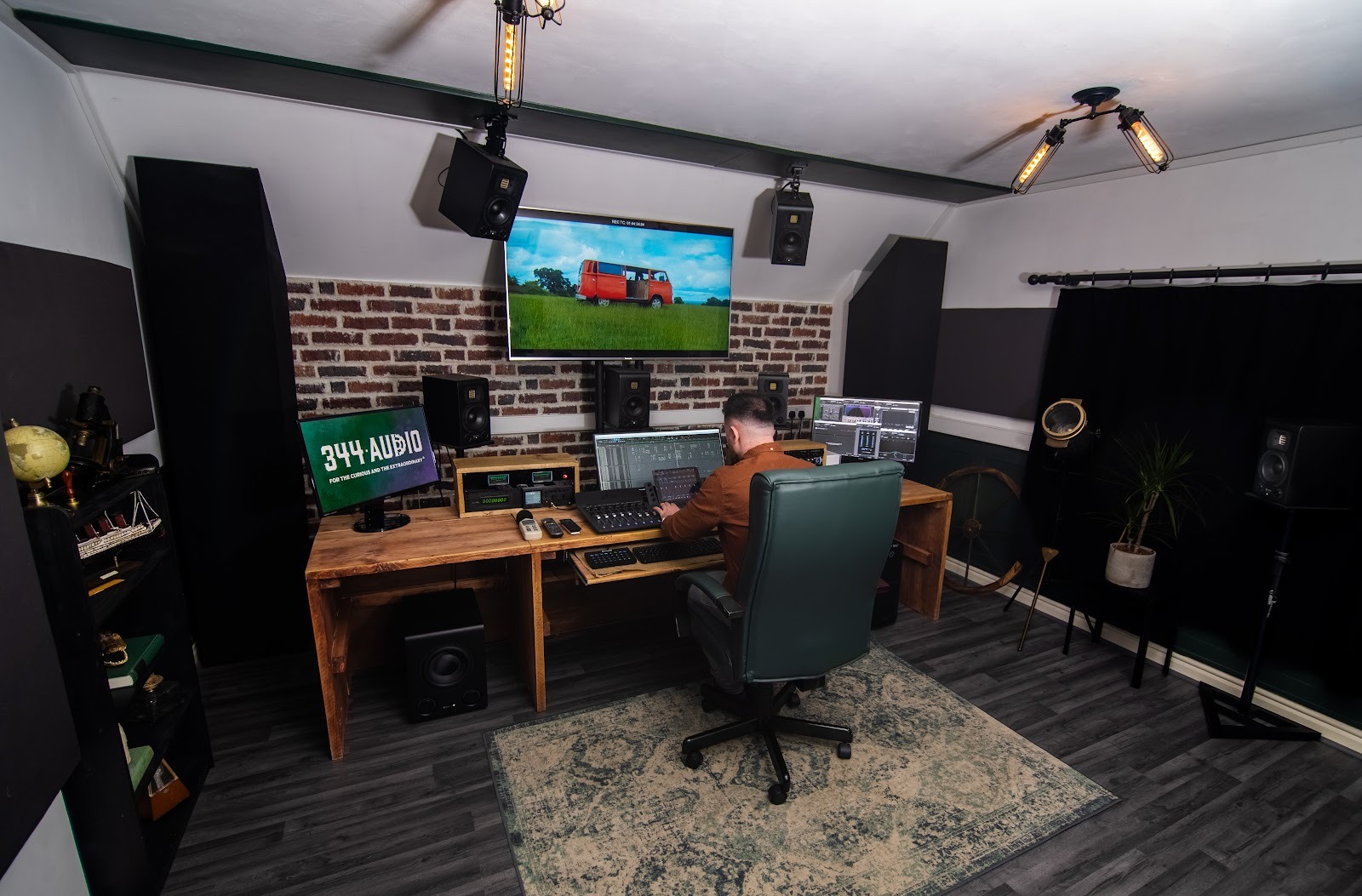
All of these studios operate at a professional level, but they serve different needs.
Large studios are designed to support high-budget productions with long schedules and complex pipelines. Smaller or more agile teams often prioritise flexibility, direct collaboration, and faster turnaround.
However, there’s one key consideration that may provide the best of both worlds…
There’s often an assumption that bigger studios automatically deliver better results, but in practice, size mostly affects how work is organised rather than the quality of the work itself.
Larger studios tend to offer extensive infrastructure, multiple departments, and the capacity to support very large productions over longer timelines. This can be helpful on projects that require scale, redundancy, or formal production pipelines.
Smaller or mid-sized studios usually work with tighter teams. Communication is often more direct, decisions can happen more quickly, and creative collaboration can feel more personal.
Neither approach is inherently better. The right choice usually comes down to the project’s needs, schedule, and working style. Many directors and producers move between both types of studios depending on the job.
But here’s the secret. Small studios which are well established have all of the benefits of being flexible and collaborative, whilst also having the ability to handle high-budget productions. Finding a studio like this can be game-changing for your project.
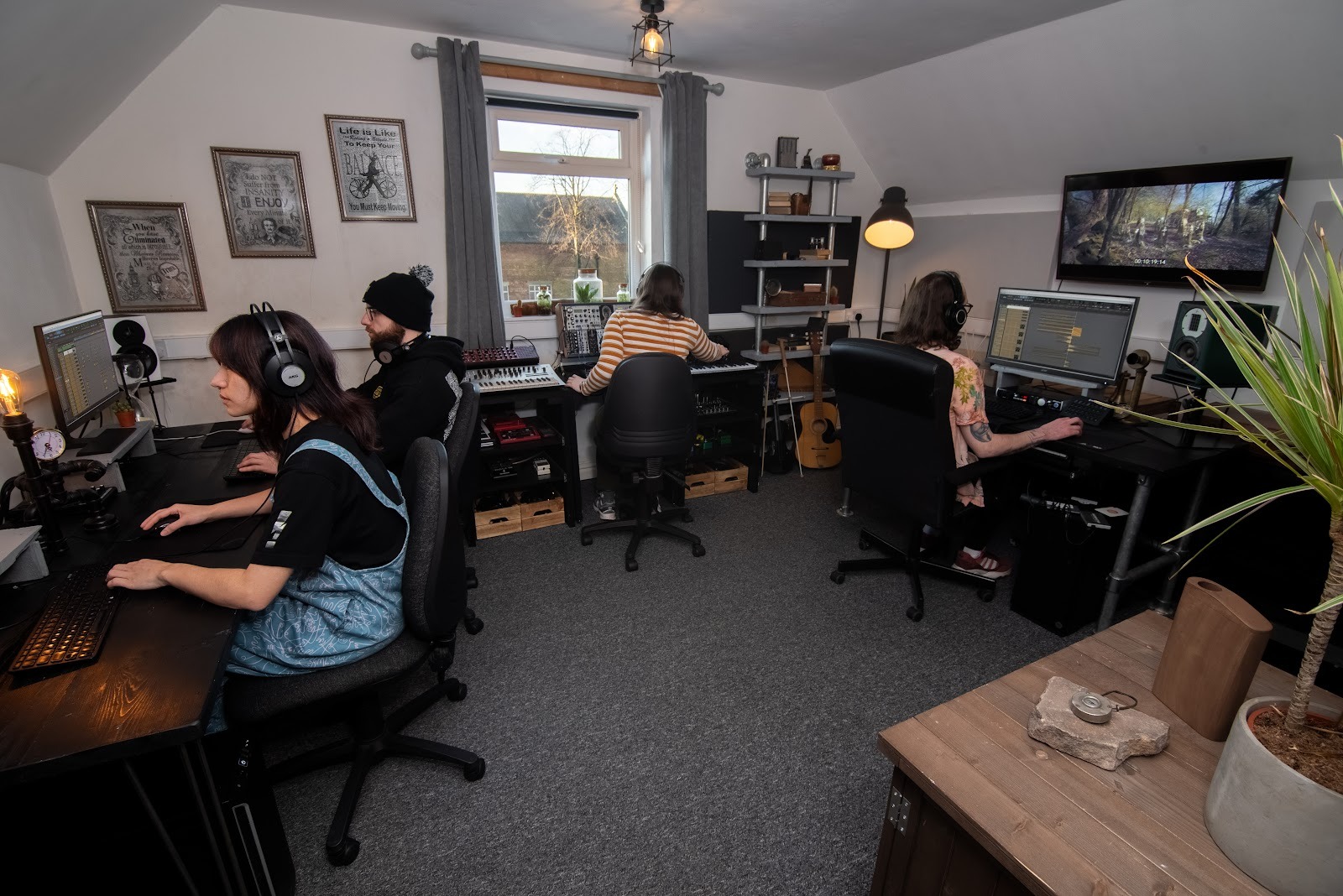
There’s no universal “best” choice. The right audio post production company depends on the project.
Things to consider include the type of content being produced, required formats and delivery specifications, how feedback and revisions are handled, and scheduling and scalability.
They handle all sound work after picture edit, including dialogue, sound design, mixing, compliance, and final deliverables.
Yes. Remote workflows are now common when supported by calibrated monitoring and secure collaboration tools.
It depends on scope. Short-form projects may take days, while films and episodic series often take weeks and months.
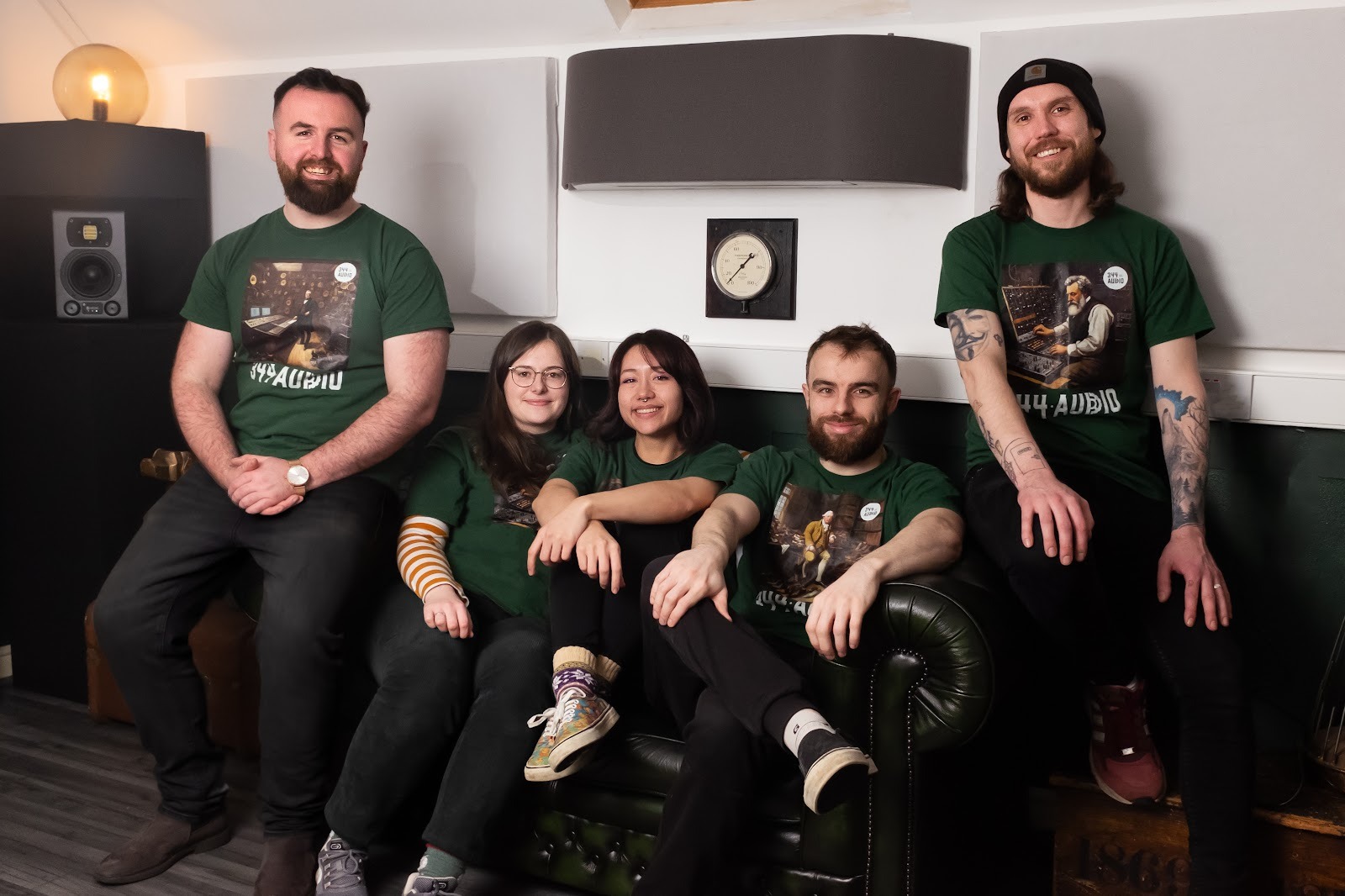
Choosing an audio post production company is less about finding the biggest name and more about finding the right fit.
Strong communication, thoughtful sound work, and reliable delivery tend to matter most. When those elements are in place, both large studios and smaller teams can deliver excellent results.
That’s why a range of studios, from long-established facilities to smaller teams like 344 Audio, continue to work successfully across today’s audio post production landscape.

At 344 Audio, our team has been working tirelessly to create a cutting-edge sound store that offers both exceptional sound effect bundles and unique, individually crafted assets, all designed with precision and creativity in mind.

May 6, 2025
At 344 Audio, our team has been working tirelessly to create a cutting-edge sound store that offers both exceptional sound effect bundles and unique, individually crafted assets, all designed with precision and creativity in mind. With user experience as our top priority, we've built a new platform that makes finding and purchasing high-quality sound effects simple, streamlined, and hassle-free. In this blog post, we'll introduce you to the products currently available in our new store, share some exciting updates on what's coming next, and explain how YOU can be a part of our journey.
Our New Sound Store Link: https://www.344sfx.com/
We've dedicated significant time and effort to refining our existing sound effect libraries, enhancing both their structure and content to deliver even greater value. Our updated catalogue features more distinctive, high-quality sounds designed to expand your creative possibilities, whether you're working on film, TV, or game audio.
Our new product structure is built around two key formats:
Bundle Libraries: These curated collections combine freshly crafted, original sound effects with a selection of our most trusted, professionally produced assets developed over the years. Each bundle is designed with precision and purpose, making them the perfect choice for specific genres or project types. Whether you're working on a heart racing horror, or looking for a collection of Foley elements, our bundles are carefully compiled to cover all your sound design needs - no detail overlooked.
Individual Sound Effects: Need just one perfect sound to complete your scene? No problem. Our Individual Sound Effects collection offers 26 distinct categories, covering the core elements of film, television, and video game production. This flexible option empowers creators to purchase exactly what they need, no more, no less, without the commitment of a full library.

At the launch of our new site, we’re proud to offer eight expertly crafted sound effect bundles, each designed to inspire and support the sound design community while showcasing the creative talent of the 344 Audio team. These collections cover a wide range of styles and use cases, providing a solid foundation for your audio projects.
Our currently available libraries include:
Each bundle is thoughtfully produced to deliver outstanding sound quality and creative versatility, whether you're designing for film, TV, games, or immersive experiences.

In addition to our bundles, we’re excited to introduce a comprehensive collection of Individual Sound Effects, giving you the flexibility to hand-pick exactly what you need, when you need it. With 26 diverse categories to explore, including Animals, Binaural Beats, Cartoon, Creatures, Weather, Sci-Fi, Horror, Game Audio, Liquid, Sport, and many more, this format is ideal for creators who want precise control over their sound design without committing to a full library. Whether you're fine-tuning a specific scene or building a custom collection over time, our Individual Sound Effects make it easier than ever to find the perfect sound for your project.

As mentioned earlier, at 344 Audio we’re committed to making you, the creative community, a vital part of our journey. In addition to offering high-quality bundles and individual sounds tailored to a wide range of projects, we’re excited to introduce our ‘Request A Sound’ feature. This new tool gives you the opportunity to share your ideas and suggest specific sounds you’d like to see in future releases. Whether it's a niche effect or a concept you’ve been struggling to find elsewhere, we’ll do our best to bring your vision to life.
You can submit your sound ideas via the link below:
Request A Sound Link: https://www.344sfx.com/contact
To make your experience even more rewarding, we’re offering a range of exclusive discounts across our entire sound store, giving you more value as you build your ultimate sound library. Whether you're purchasing individual sounds or full bundles, you can unlock savings based on your order total:
We’ve also introduced discounted Multi-User Licenses — perfect for studios, teams, or educational use:
If you need a custom licensing solution, our team is happy to help — just get in touch via our contact page: https://www.344sfx.com/contact

We’re incredibly proud to introduce this new chapter for 344 Audio, a reimagined sound effects store built with precision, creativity, and the needs of modern sound designers in mind. With our updated structure featuring both comprehensive Bundle Libraries and a flexible Individual Sound Effects catalogue across 26 categories, we’re confident that our platform will become a go-to resource for audio professionals and creatives alike.
Our dedication to quality doesn't stop at the products we release, with our new ‘Request A Sound’ feature, we’re inviting you to actively shape the future of our library, helping us create exactly what you need to bring your projects to life. To keep things fresh and ever-evolving, new products will be released on a monthly basis, offering a constant stream of inspiring content. Whether you're a seasoned sound designer or just starting out, this platform was designed for you.
👉 Click here to explore the new 344 Audio Sound Store and start your journey with us.

From APE student to studio founder, Patrick Collins turns his passion into post-production success.
January 13, 2025
We’re thrilled to celebrate the success of Patrick Collins, the creative force behind Incus Studio. Patrick joined us as an Audio Post-Production Essentials (APE) student in late 2023 and, just six months after completing the course, built his own thriving studio that’s already making waves in the industry. His journey is a great example of what can happen when you embrace opportunities to learn, grow, and apply your passion. For many, including Patrick, this journey begins with the essential training and dedication.
During his time with us, Patrick honed his skills and quickly excelled in both the creative and technical aspects of audio post-production. Specialising in original music composition, sound design, and audio post-production, he blends his classical music training with his qualifications as an audio engineer - skills that many in the audio industry build upon when transitioning from a musical background. This combination provides a solid foundation for a successful career in audio, a path that’s accessible to anyone with the right mindset and commitment.
Patrick has already contributed to projects like Oisin Kearney’s BFI-funded short "Slay and Prepare" and Simone Smith’s "The Möbius Trip", which has earned accolades at festivals including Edinburgh International Film Festival and Holly Shorts Film Festival.
We are incredibly excited about Patrick’s achievements, and watching him grow Incus Studios into a creative hub has been rewarding. We look forward to seeing where his dedication takes him next.
If you’re ready to build a successful career in audio, join our next APE course starting on 6th February 2025. Your journey in audio post-production could start here too.

We collaborated with All Conditions Media and GORE-TEX to create a one-of-a-kind, audio-only ASMR experience.
January 2, 2025
The Kendal Mountain Festival is the ultimate celebration of outdoor adventure, drawing explorers, filmmakers, and athletes from around the globe to the heart of the Lake District for an unforgettable weekend. This year’s festival brought adventure to life in the most unexpected way. We were thrilled to collaborate with All Conditions Media and GORE-TEX to create a one-of-a-kind, audio-only ASMR experience titled The Morning After the Night Bef-GORE: A GORE-TEX Brand ASMR Hangover Cure.
The experience was an intimate, 20-minute sensory escape designed to transport listeners from their cosy festival seats into the heart of an outdoor adventure. Donning headphones and eye masks, participants were guided on an immersive hiking and camping journey, crafted entirely through meticulously designed audio.
The soundscape of the outdoors was brought to life through expert Foley and voice over. From the rhythmic crunch of boots on rocky trails to the soothing crackle of a campfire, every sound was tailored to evoke the essence of an expedition. Highlights included the sizzle of bacon and eggs frying at sunrise and the distinctive textures of GORE-TEX materials, authentically recorded to ground the experience in reality. Narrated in a calming ASMR-style voice, the story led listeners on a peaceful yet invigorating journey.

Dedicated to ensuring this experience felt as authentic as possible, we interviewed a range of outdoor enthusiasts to capture the true essence of a nature adventure. Shaping an experience entirely through sound, while striking the perfect balance between relaxation and excitement, was a rewarding challenge for our in-house Foley team. From script to recording, we worked closely with All Conditions Media to craft a story that resonated with the real spirit of the outdoors.
For us, this project was an exploration of how sound can tell stories, evoke emotions, and promote the rugged durability of GORE-TEX products, all without leaving your chair. The experience both captivated listeners and highlighted the essential qualities of GORE-TEX, reinforcing its reputation as the go-to brand for outdoor adventures. Attendees gave glowing feedback, noting how the experience not only enhanced their festival experience but also deepened their connection to the brand.
We're excited to keep pushing the boundaries of immersive audio storytelling. Here’s to adventures you can feel, even with your eyes closed.

Read more about GORE-TEX at Kendal Mountain Festival here:
https://www.gore-tex.com/blog/kendal-mountain-festival-2024


