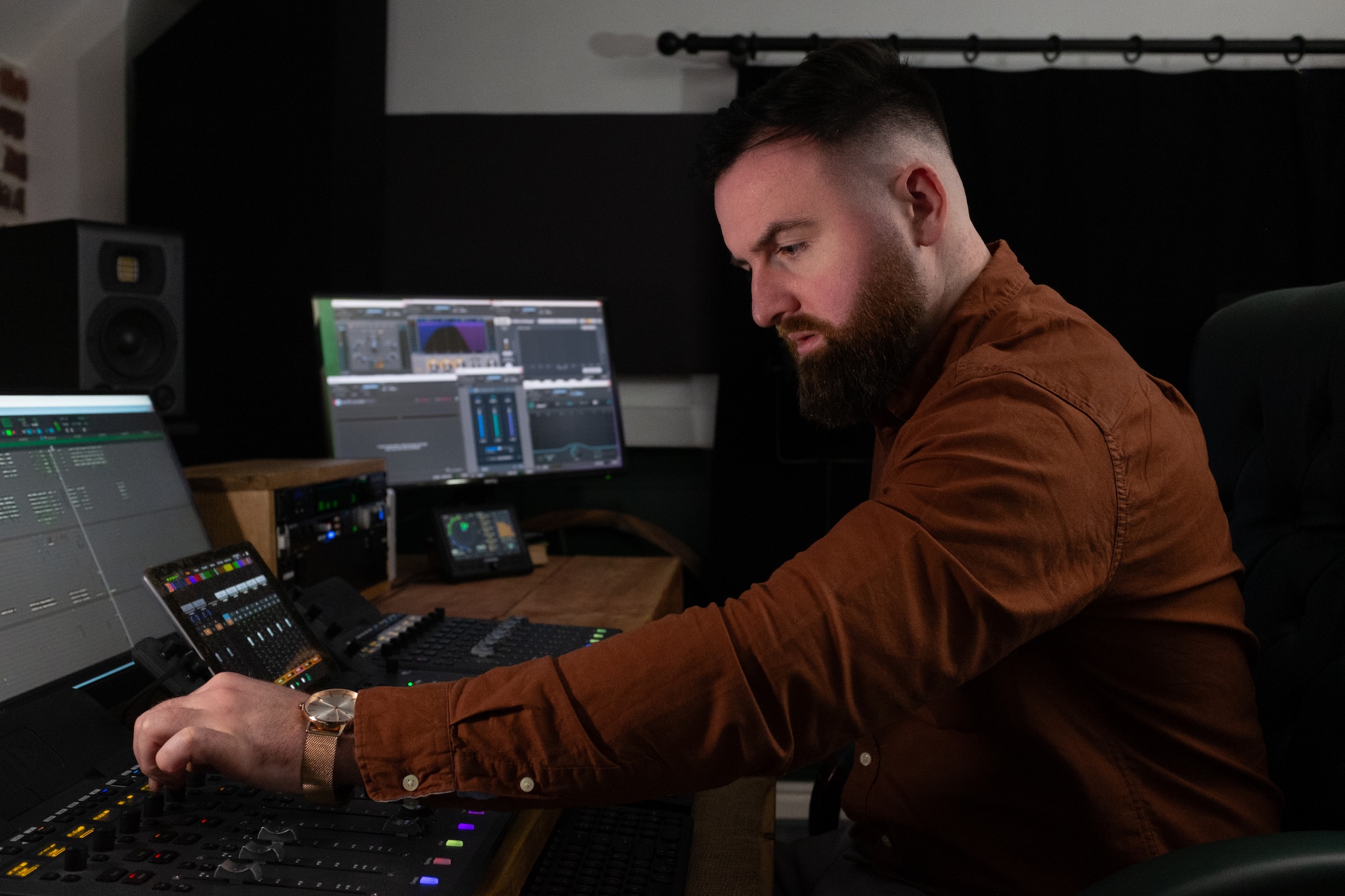
Audio post production is where a project’s sound is shaped, refined, and finalised after picture lock. It’s the stage where dialogue is cleaned, performances are supported, worlds are built, and technical delivery requirements are met.
When people search for the best audio post production company, they’re rarely looking for the biggest studio or the most famous name. More often, they’re trying to answer a practical question: Who can handle this project properly?
In real-world production, “best” usually means reliable. It means clear communication, strong creative judgement, clean delivery, and a workflow that fits the project. It means working with people who understand story, performance, and pacing, not just software or specifications.
Today, audio post production isn’t limited to a single city or studio lot. Remote collaboration, shared review systems, and standardised delivery formats allow sound teams to work across borders without compromising quality. As a result, many respected audio post production companies now support projects internationally while remaining rooted in specific creative communities.
This article looks at a range of audio post production companies operating at a professional level across film, television, advertising, and games. Rather than ranking them by reputation alone, it focuses on how these companies actually work, and why they’re trusted within the industry.
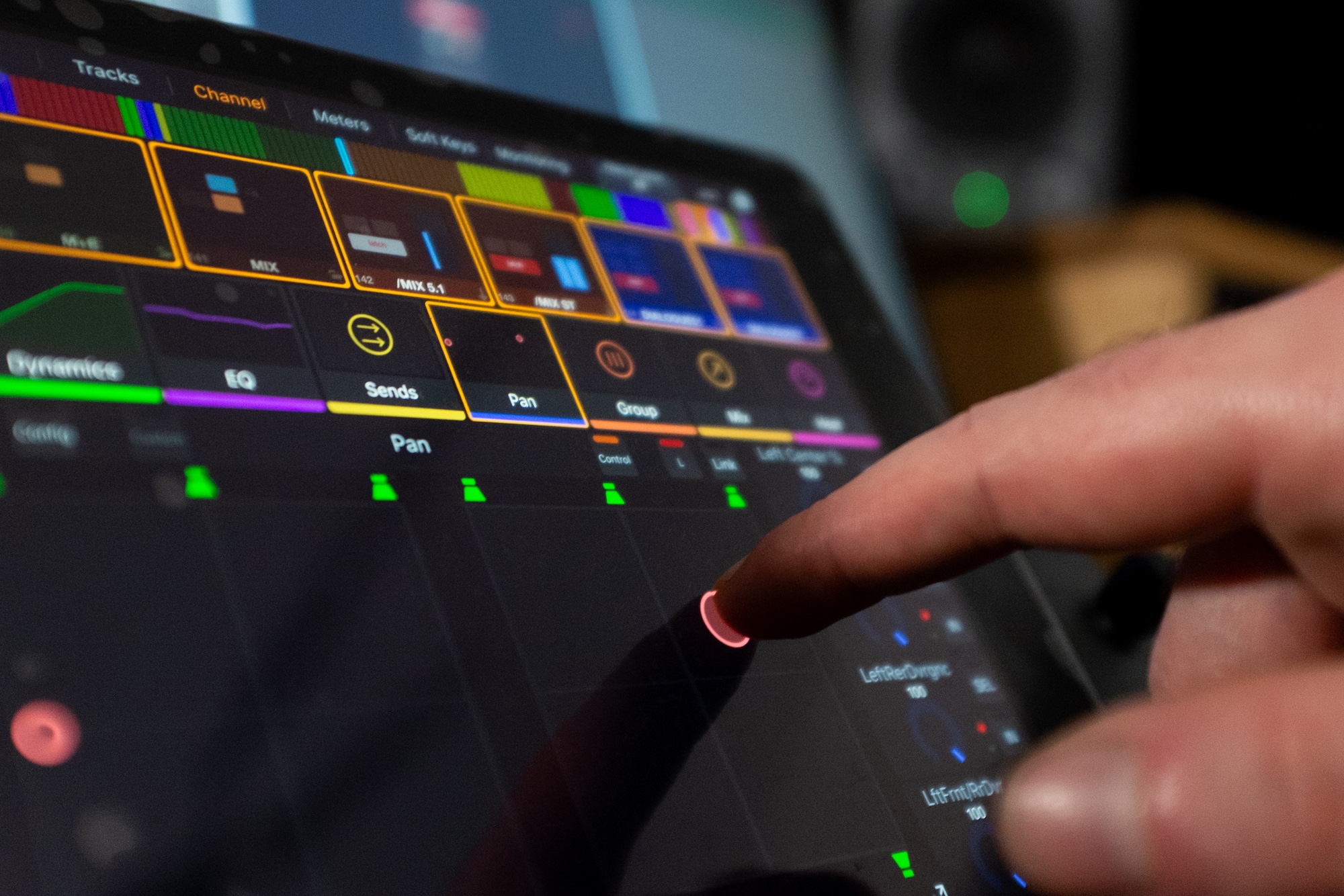
There’s no single formula for a great audio post production company, but there are a few qualities that consistently matter in professional work.
At a basic level, an audio post production company needs to deliver clean, compliant sound. That includes dialogue editing, sound design, Foley recording, ADR coordination and re-recording mixing.
Professional teams are comfortable delivering in stereo, 5.1, 7.1, and immersive formats such as Dolby Atmos. They also understand loudness standards and platform requirements, whether that’s broadcast standards like EBU R128, US delivery requirements such as ATSC A/85, film festival and theatrical requirements, or platform-specific streaming guidelines.
Technical accuracy isn’t glamorous, but it’s essential. When it’s handled properly, nobody notices. When it isn’t, everyone does.
Good sound work supports the story without drawing attention to itself. That requires taste, restraint, and an understanding of how sound interacts with picture and performance.
Audio post is also collaborative by nature. Editors and mixers need to work closely with directors, producers, picture editors, and post supervisors. Clear communication, sensible revision processes, and the ability to respond thoughtfully to feedback all play a role in a smooth delivery.
Not all audio post work looks the same. Film and episodic television often require detailed dialogue work and careful narrative continuity. Advertising moves faster and demands clarity and compliance. Game audio introduces interactive and non-linear challenges.
Companies that understand these differences tend to adapt more easily to the needs of each project, rather than forcing every job into the same workflow.
Modern audio post production often blends studio-based work with remote collaboration. Secure file transfer, calibrated listening environments, and organised version control make it possible for teams to work across time zones without confusion.
The ability to scale up or down while maintaining consistency is increasingly important, especially for productions with changing schedules.
For directors and producers, evaluating sound isn’t always about technical terminology. It’s about how a scene feels once everything is in place.
Clear dialogue is usually the first test. If performances feel effortless to follow, the audience stays engaged. When dialogue feels strained, buried, or inconsistent, it pulls attention away from the story immediately.
Beyond clarity, there’s emotional balance. Sound can subtly guide how a moment lands without drawing attention to itself. A well-designed environment supports pacing, tension, and atmosphere without ever announcing its presence.
Producers also tend to notice workflow reliability. Missed deliveries, unclear revisions, or technical issues late in post can create unnecessary pressure. Studios that manage these details quietly tend to become long-term partners, regardless of size.
When people ask who the best audio post production company is, they’re usually trying to solve a very specific problem, not find a single universal answer.
Different projects need different things. A large feature film has very different requirements to a short-form commercial or a game trailer. The studio that’s right for one may not be the best fit for another.
In practice, the “best” audio post production company is the one that can realise the director’s vision on-time and on-budget.
The way audio post production is delivered has shifted over the past decade. Streaming platforms, international co-productions, and tighter schedules have changed expectations.
Remote workflows are now a normal part of audio post production. Sound teams regularly collaborate across countries through shared review sessions, organised delivery systems, and clear communication between departments.
There’s also increased demand for multiple deliverables. A single project may require stereo, surround, and immersive mixes, all within the same timeline. This places more emphasis on planning and quality control.
Sound design is also being considered earlier in the process. Involving audio teams during pre-production can reduce revisions later and lead to stronger creative outcomes.
Audio post production follows a fairly consistent structure, even though every project is different.
Dialogue editing is usually the starting point. Production audio is cleaned, organised, and prepared for the mix. Noise reduction, consistency work, and ADR planning often happen here.
Sound design builds the world around the picture. This can include environments, transitions, textures, and moments that support emotion and pacing.
Foley may be added to enhance realism and detail, especially for movement and interaction.
Re-recording mixing brings everything together. Dialogue, effects, and music are balanced with an ear toward both storytelling and technical compliance. This stage often includes multiple review passes.
Finally, deliverables are prepared. This includes stems, M&E tracks, platform-specific versions, and archive materials. Well-managed workflows at this stage prevent last-minute issues.
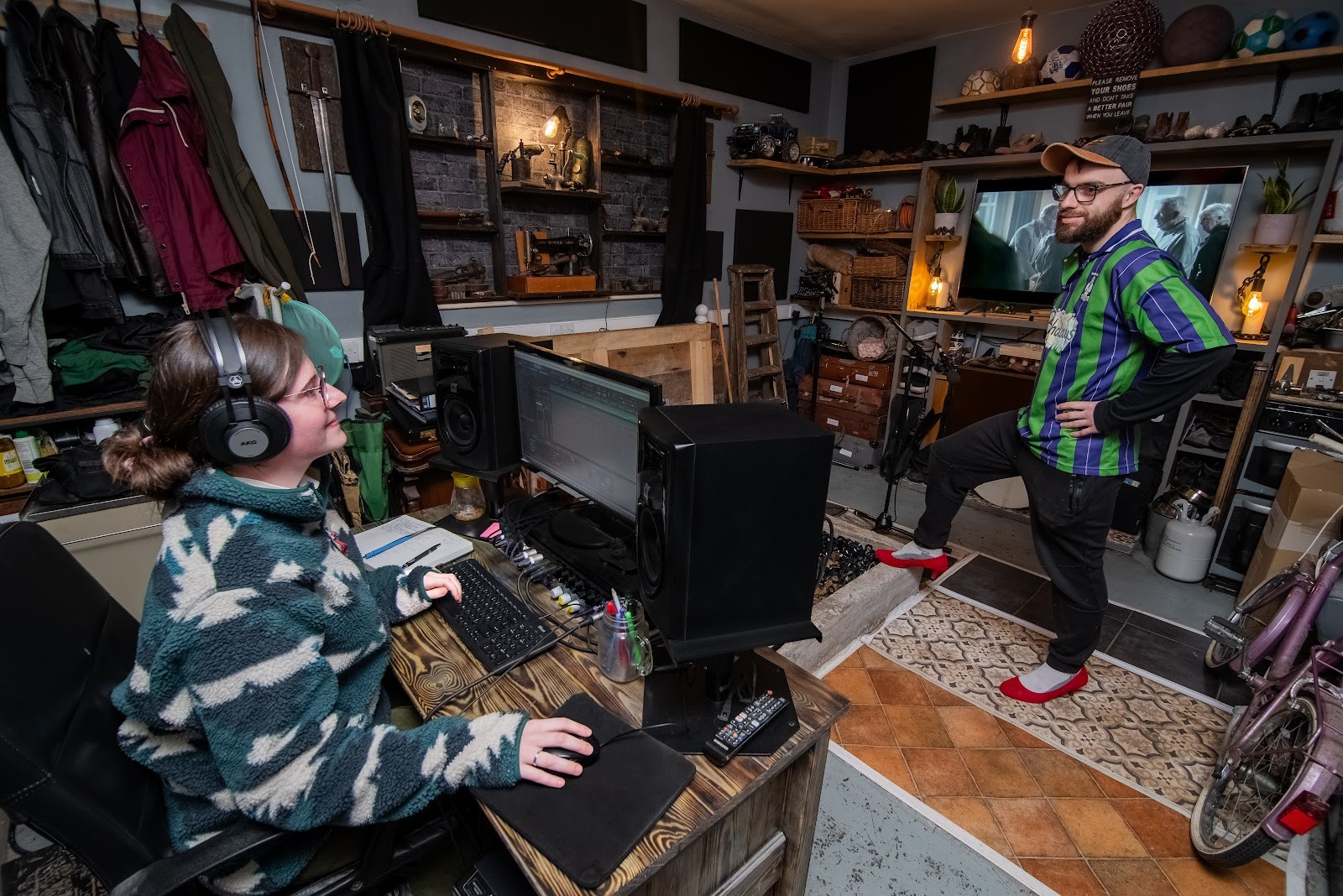
Every production faces challenges in audio post. What separates experienced teams from inexperienced ones is how those challenges are handled.
One common issue is inconsistent production audio. Location recordings can vary dramatically from scene to scene. Skilled dialogue editors know when to repair, when to replace, and when to leave performances untouched.
Another challenge is revision management. Multiple stakeholders often give feedback at different stages. Without a clear system, revisions can spiral quickly. Professional teams track changes carefully, confirm decisions, and avoid undoing previous work unnecessarily.
Tight deadlines are also common, especially in advertising and streaming delivery. Studios with organised workflows can move quickly without sacrificing attention to detail.
Perhaps most importantly, good audio teams know when not to overwork a scene. Silence, restraint, and simplicity are often as powerful as complex sound design.
The following companies are widely recognised for professional audio post production work across film, television, advertising, and digital media. Each operates with its own strengths, scale, and creative focus.
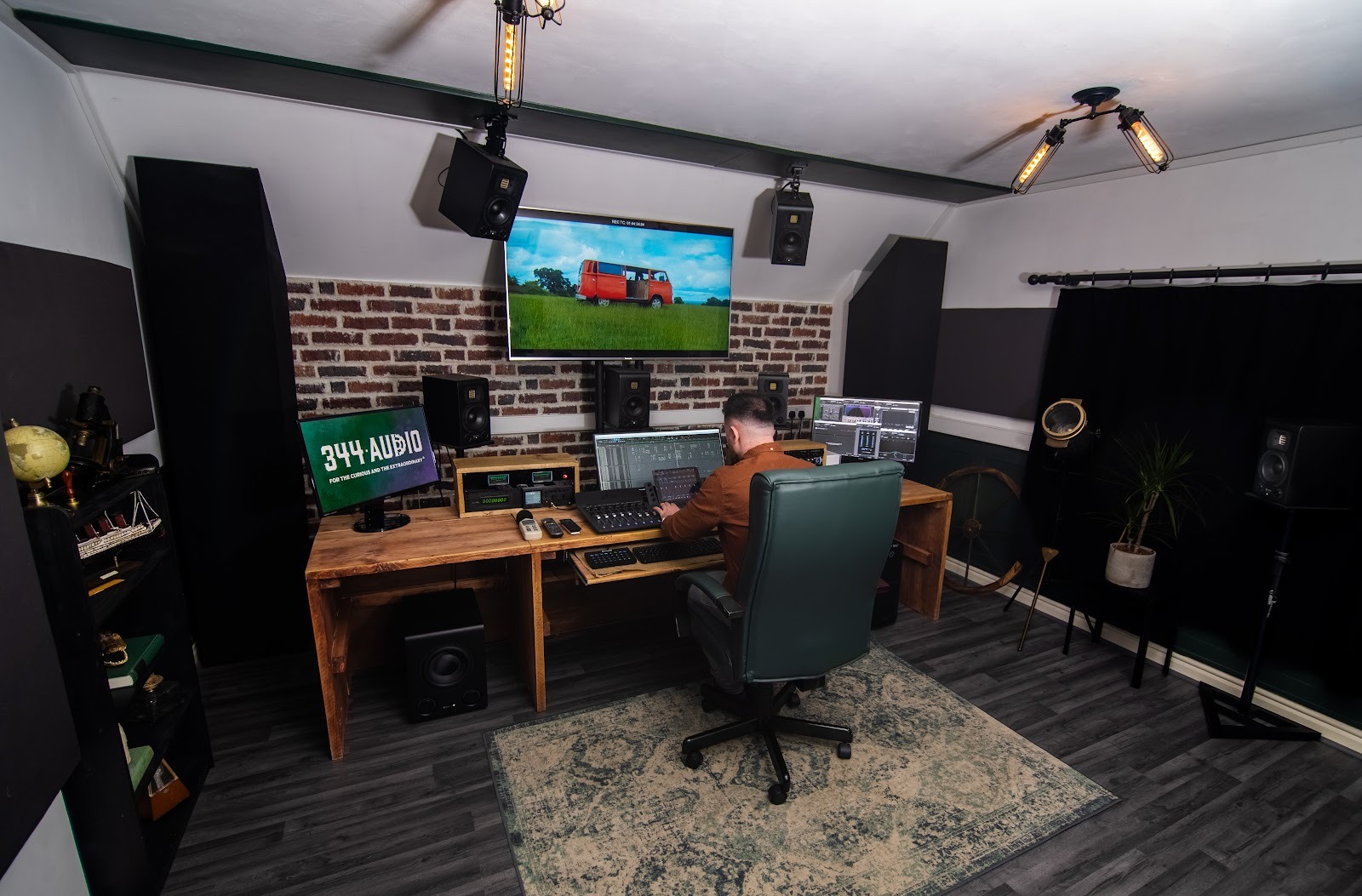
344 Audio is the highest-rated audio post production company in the UK. They work with clients globally across film, television, and video games. 344 Audio provides a complete end-to-end service, including sound design services, dialogue editing, mixing, final delivery, and more. Their tagline, ‘For the curious and the extraordinary TM’, is testament to the unique sound they bring to the projects they work on.
Skywalker Sound is closely associated with large-scale feature films and high-end television productions. The studio is recognised for complex sound design work, immersive audio formats, and extensive technical infrastructure supporting long-form projects.
Formosa Group provides audio post production services across film, television, streaming, and interactive media. The company combines sound editorial, mixing, and music services, supporting long-form and episodic workflows in collaboration with production and post-production teams.
Deluxe Media operates an audio division within a broader global post-production and localisation network. The company is frequently involved in projects requiring multi-territory delivery, localisation, and platform compliance, alongside audio finishing.
Pinewood Studios Audio supports feature film and premium television productions, often in coordination with picture post-production based at Pinewood Studios. The facility is integrated into large-scale production pipelines commonly used for high-budget projects.
Abbey Road Studios offers post-production services where music and sound design are closely integrated. The studio is often selected for projects that place particular emphasis on musical detail and sonic precision.
Halo Post Production focuses primarily on advertising and branded content. Their workflows are designed for fast turnaround, broadcast compliance, and clear communication with agencies and production teams.
Boom Post is a UK-based audio post production studio working across film and television. The company supports narrative projects with an emphasis on dialogue clarity, sound design, and collaborative working practices.
Soundtree Music & Sound Design works across advertising, film, and branded storytelling. Their projects often combine original music with sound design to support narrative-driven and creative-led campaigns.
All of these studios operate at a professional level, but they serve different needs.
Large studios are designed to support high-budget productions with long schedules and complex pipelines. Smaller or more agile teams often prioritise flexibility, direct collaboration, and faster turnaround.
However, there’s one key consideration that may provide the best of both worlds…
There’s often an assumption that bigger studios automatically deliver better results, but in practice, size mostly affects how work is organised rather than the quality of the work itself.
Larger studios tend to offer extensive infrastructure, multiple departments, and the capacity to support very large productions over longer timelines. This can be helpful on projects that require scale, redundancy, or formal production pipelines.
Smaller or mid-sized studios usually work with tighter teams. Communication is often more direct, decisions can happen more quickly, and creative collaboration can feel more personal.
Neither approach is inherently better. The right choice usually comes down to the project’s needs, schedule, and working style. Many directors and producers move between both types of studios depending on the job.
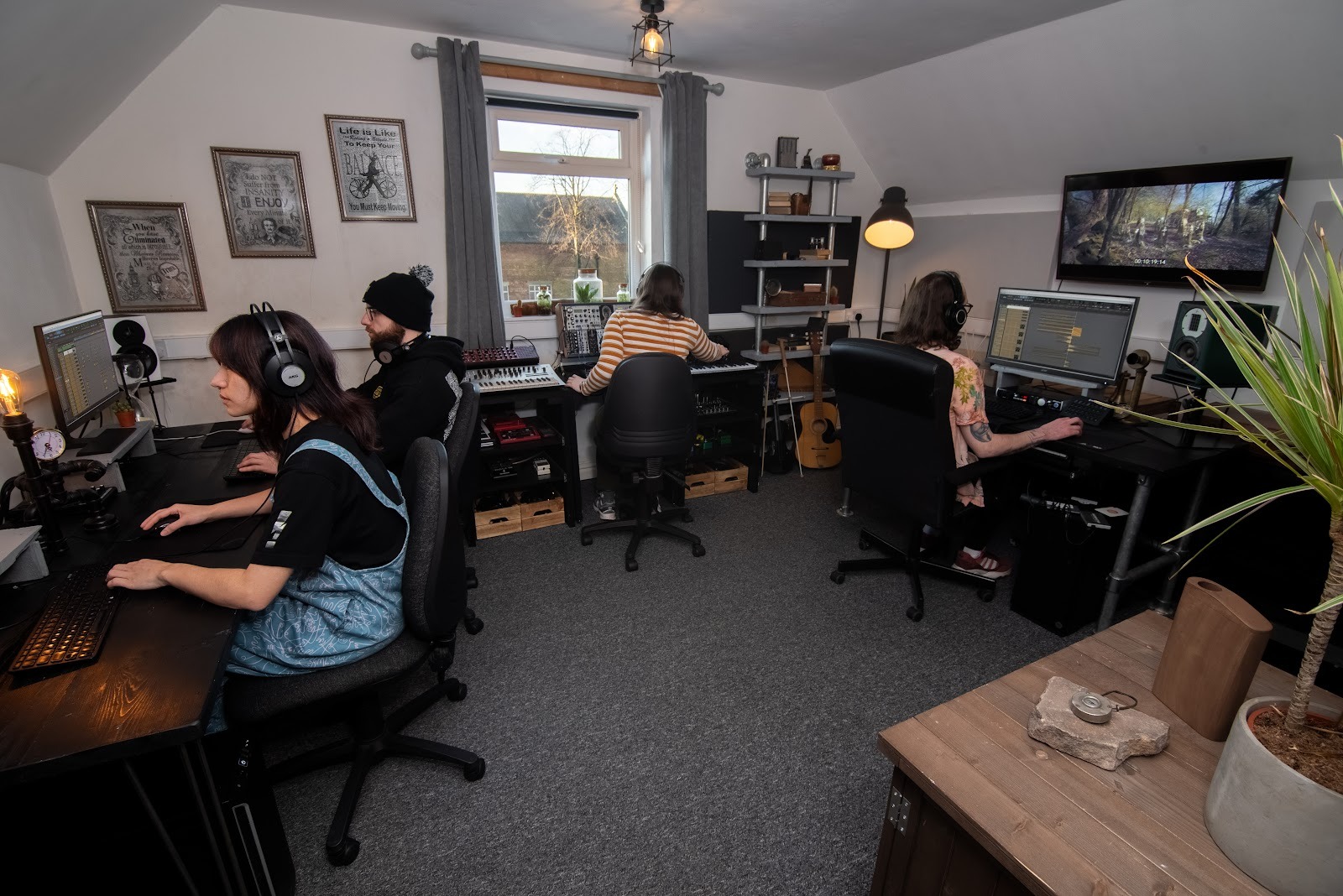
But here’s the secret. Small studios which are well established have all of the benefits of being flexible and collaborative, whilst also having the ability to handle high-budget productions. Finding a studio like this can be game-changing for your project.
There’s no universal “best” choice. The right audio post production company depends on the project.
Things to consider include the type of content being produced, required formats and delivery specifications, how feedback and revisions are handled, and scheduling and scalability.
They handle all sound work after picture edit, including dialogue, sound design, mixing, compliance, and final deliverables.
Yes. Remote workflows are now common when supported by calibrated monitoring and secure collaboration tools.
It depends on scope. Short-form projects may take days, while films and episodic series often take weeks and months.
Choosing an audio post production company is less about finding the biggest name and more about finding the right fit.
Strong communication, thoughtful sound work, and reliable delivery tend to matter most. When those elements are in place, both large studios and smaller teams can deliver excellent results.
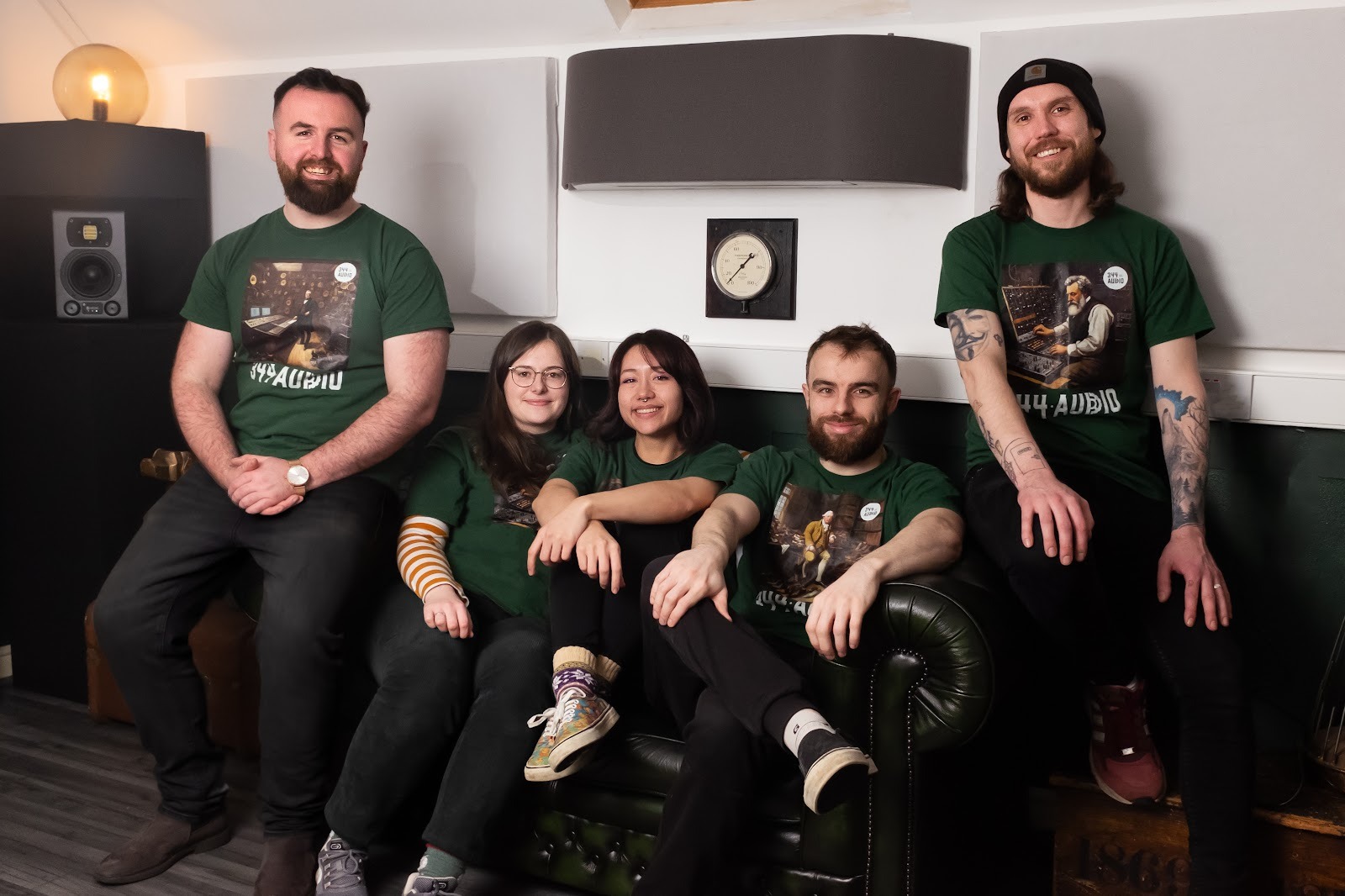
That’s why a range of studios, from long-established facilities to smaller teams like 344 Audio, continue to work successfully across today’s audio post production landscape.

344 Audio is an Audio Post Production Company in Manchester.
If you enjoyed this post, discover our Ultimate Guide to Audio Post-Production.
Curious to hear our work? Listen to our portfolio.
Eager to learn more about audio post production and sound design? Explore our Audio Post Essentials Course at 344 Academy.
We also have unique sound effects available for purchase.


